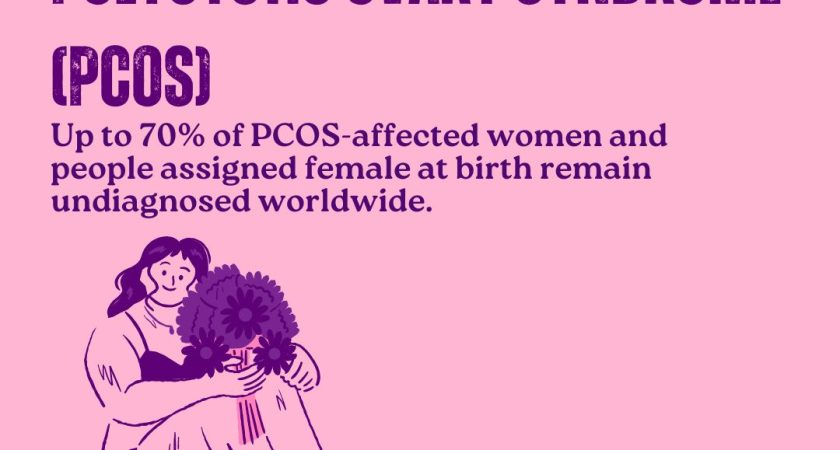
🌸 September is PCOS Awareness Month 🌸
Polycystic Ovary Syndrome (PCOS) is a common hormonal condition that affects women of reproductive age and is one of the leading causes of infertility worldwide. It happens when the body produces higher-than-normal levels of male hormones (androgens), which can affect how the ovaries work. Instead of releasing an egg each month, the ovaries may develop many small fluid-filled sacs, which disrupt ovulation.
But PCOS is about much more than fertility. It’s a long-term health condition that can increase the risk of diabetes, high blood pressure, heart disease, and emotional struggles like anxiety and depression. Because PCOS doesn’t look the same in everyone, awareness is so important. No two women experience it in exactly the same way.
Symptoms to Know
PCOS symptoms can vary. However, here are some common ones to watch out for:
• Irregular or missed periods
• Heavy or prolonged periods
• Pelvic pain – especially during ovulation
• Excess facial/body hair (hirsutism)
• Acne, oily skin
• Thinning hair or male pattern hair loss
• Weight gain or difficulty losing weight
• Dark patches on the skin (especially underarms, neck)
• Anxiety, mood swings, depression
Living With PCOS
PCOS can be challenging, not just physically but emotionally too. Many women struggle silently with body image issues, frustration around fertility, or the uncertainty of long-term health risks. But PCOS is manageable. With early diagnosis, lifestyle changes, and medical care, symptoms can be controlled and risks reduced.
Why Awareness Matters
Too often, women dismiss irregular periods or other symptoms as “normal,” when in fact they may point to PCOS. By talking openly about it, we break the stigma, encourage early diagnosis, and remind women that they are not alone.
👉🏽 If something feels off with your cycle, your skin, your mood, or your weight, don’t ignore it. Speak to a healthcare provider. The earlier PCOS is managed, the healthier and happier your future can be.